 English
 Türkçe
 Русский
 Українська
 Español
 Français
 Deutsch
 中文
中文
 Български
 Română
 Ελληνικά
 हिन्दी
 Indonesia
 Italiano
 日本語
日本語
 Melayu
 Nederlands
 Norsk
Norsk
 Polski
 Português
 Српски
 Svenska
 العربية
 فارسی
فارسی
Places to Visit in Cappadocia

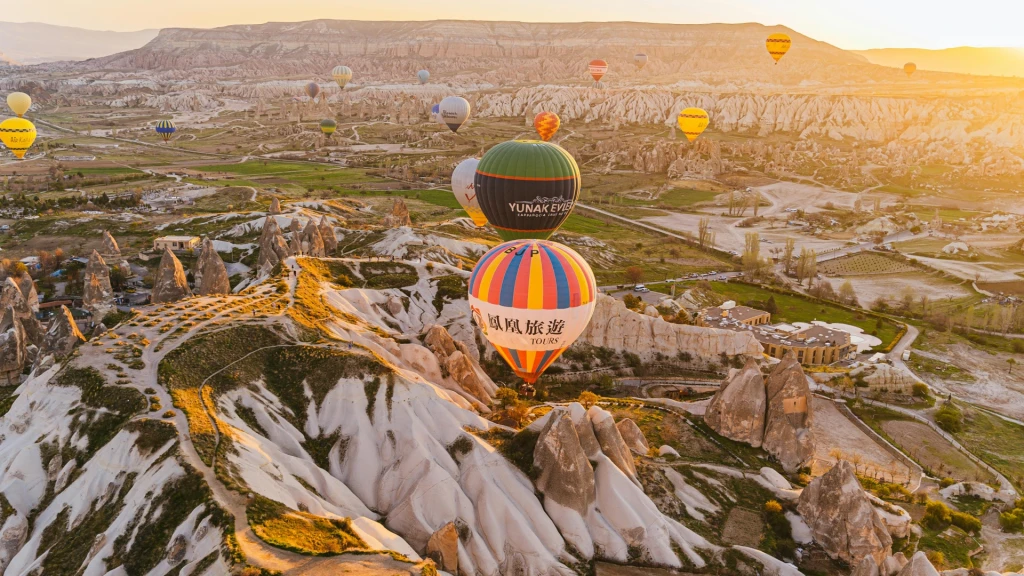
Kapadokya is a unique geography located in the heart of Central Anatolia, listed as a UNESCO World Heritage site. The fairy chimneys, valleys, and rocky formations formed by millions of years of volcanic activity and erosion transform this region into a visual feast. In addition to its natural beauty, the area offers visitors unique experiences with its thousands of years of historical and cultural richness. Settlements such as Göreme, Ürgüp, Avanos, Uçhisar, and Ortahisar stand out with their own unique characters. Kapadokya, with a different story in every corner, appeals to a wide audience ranging from photography enthusiasts to adventure seekers and history buffs to those planning a romantic getaway.
Göreme Open Air Museum is one of the most important stops on the UNESCO World Heritage list. This area, used as a monastery complex, houses churches carved into the rocks by Christian communities since the 4th century. Structures such as the Tokalı Church, Elmalı Church, Yılanlı Church, and Karanlık Church have preserved the vivid colors and details of their frescoes up to the present day. The frescoes depict scenes from the Bible, the lives of saints, and religious symbols. While wandering through the museum area, it is possible to see refectories, kitchens, and living spaces carved into the rock. Arriving early in the morning is advantageous for avoiding crowds and capturing the moments when the light beautifully illuminates the structures.
Perhaps the most iconic part of the Kapadokya experience is taking a hot air balloon tour. The tours, which start at sunrise, offer a bird's-eye view of the fairy chimneys, valleys, and settlements. The average flight lasts about an hour, during which the pilot shares information about the region's geological formations and history. The sight of hundreds of balloons taking off at the same time creates a magnificent composition for photography. After the flight, participants celebrate with champagne and receive a certificate. It is important to keep in mind that weather conditions can affect flights when making reservations. It is preferable to work with experienced companies that have high safety standards.
Derinkuyu houses the deepest underground city in Kapadokya, reaching approximately 85 meters in depth. Organized in eight levels, this underground complex has the capacity to shelter tens of thousands of people for extended periods. Ventilation shafts, water wells, churches, stables, wine cellars, and living spaces are meticulously planned. Used by Christians during Roman times to protect themselves from invasions, these structures contain astonishing engineering solutions. Due to the narrow passages and low ceilings, it may be challenging for those with claustrophobia. Visiting with a guide is essential to understand the complex structure of the underground city and to avoid getting lost. Similarly, Kaymaklı Underground City offers an alternative site to visit.
Paşabağ is known for its three-headed fairy chimneys and serves as an open-air museum. The mushroom-shaped rock formations have been shaped differently due to the various hardness levels of volcanic layers reacting differently to erosion. While walking in the valley, one can discover churches and monk cells carved into the rocks. The surrounding vineyards and poplar trees add natural beauty to the area. The light painting the rocks during sunset is visually striking. You can hike through the valley, take photographs, and examine the structures up close while passing near the fairy chimneys. There are small stands selling souvenirs in the area.
Ihlara Valley stretches within a deep canyon created by the Melendiz River and is approximately 14 kilometers long. Hundreds of churches and chapels have been carved into the rocks along the valley. The walking route combines natural beauty with historical structures. The shaded paths created by trees, the sounds of water, and the chirping of birds create a peaceful atmosphere. The Ağaçaltı Church and Yılanlı Church, located at the entrance of the valley, are the most visited structures. A full tour can take several hours, but shorter routes are also available. Small restaurants within the valley offer local delicacies. It is advisable to bring hiking shoes and a water bottle.
Uçhisar Castle is a natural rock mass located at the highest point in Kapadokya. Carved rooms, passages, and stairs create a labyrinth-like structure. From the top of the castle, one can enjoy a panoramic view of Mount Erciyes, Göreme, and the surrounding valleys. This location is preferred for sunset, offering an ideal platform for photographers. The town features narrow streets, stone houses, and boutique hotels. Local restaurants offer a chance to taste examples of regional cuisine. Caution should be exercised while exploring inside the castle because some sections may be slippery or narrow. The castle is illuminated in the evenings, gaining a different atmosphere.
Avanos is a town established alongside the Kızılırmak River, known for its pottery tradition. The red clay carried by the river has been processed by artisans for centuries. In the workshops located in the town center, it is possible to watch and even participate in the pottery-making process. The clay shaped on the wheel transforms into durable and aesthetically pleasing products after firing. The workshops usually offer free demonstrations, and unique designs can be found in the sales areas. The historic stone bridge of Avanos and the town square are worth visiting. Walking along the Kızılırmak River and enjoying the scenery is a delightful activity. Local restaurants offer traditional dishes like stew and testi kebab.
Zelve is a valley complex that was used as a settlement until the 1950s. The characteristic structure is formed by houses, churches, tunnels, and passages carved into the rocks. Zelve, being less touristy than Göreme, provides a more intimate exploration experience. There are three separate sections within the valley, each bearing its own uniqueness. The silence and atmosphere of the area, once inhabited by a vibrant community, are impressive. Due to the risk of collapse in some sections, entry is prohibited. While wandering in the valley, it is intriguing to take photographs of the rocky formations and dilapidated structures. The surrounding natural beauty and tranquility create a peaceful walking experience.
Kızılçukur is known for its reddish rock formations. The light during sunset casts the rocks in fiery tones, presenting a visual feast. There is a walking trail within the valley that lasts about two hours. Along the route, one can discover churches, chapels, and residential areas carved into the rocks. Vineyards and poplar trees add vibrancy to the valley. The walking route is not very strenuous and is suitable for people of varying fitness levels. At the end of the valley, routes also connect to Rose Valley. For photography enthusiasts, the interplay of light and shadow creates unique compositions.
Ortahisar is a quiet town built around a large rock block. The castle rises in the center of the town and has been opened to visitors after restoration. From the top, one can view the town, valleys, and Mount Erciyes. The streets of the town are filled with authentic stone houses and small squares. As the local people carry on their daily lives, it offers a more genuine atmosphere compared to touristy areas. The church and historical buildings at the entrance of the town are worth exploring. Ortahisar is an ideal stop for those who wish to experience local life in a serene atmosphere.
Devrent Valley, also known as Imagination Valley, is known for its rocky formations resembling various animals. The natural shapes of the rocks, such as camels, snakes, birds, and sea lions, spark the imagination. There is no official marking within the valley, so visitors can interpret it themselves. A short walk allows one to explore the entire valley. It is an entertaining stop for families with children. The valley has sparse vegetation and a barren appearance. It is easy to find interesting angles and perspectives for photography. During sunrise or sunset, the light makes the rock formations more distinct.
Güvercinlik Valley is famous for its thousands of pigeon nests carved into the rocks. In the past, pigeon droppings were used as fertilizer in viticulture, which is why these nests have been carefully preserved. The valley offers a route extending from Uçhisar to Göreme. The walking path is scenic and includes fairy chimneys, vineyards, and old settlements. Within the valley, there are pensions and restaurants. The pigeon nests are small holes carved into the rocks. Panoramic photos can be taken from the viewpoint at the entrance of the valley. The hike requires moderate fitness and lasts about one and a half hours.
Çavuşin is a historical settlement featuring ancient stone houses and rocky structures. Çavuşin Church, located at the upper part of the village, is a large structure carved into the rock, and while some of its frescoes have been damaged, they are still traceable. The village square and surrounding streets bear the traces of local life. Old Çavuşin has been abandoned due to rock falls, and this section is off-limits. The village offers a tranquil atmosphere away from tourist crowds. Local restaurants serve testi kebab and other traditional dishes. Walking routes from the village connect to Rose Valley and other valleys.
Kapadokya cuisine reflects the rich flavors of Anatolia. Testi kebabı is a mixture of meat and vegetables slow-cooked in a closing clay pot. Manti, especially those prepared in the Kayseri style, are indispensable. Stew dishes, along with options of beans, chickpeas, and meat, are frequently preferred. The region is covered with vineyards, making local wines worth tasting. Traditional sweets like molasses, pestil, and sucuk serve as energy-filled snacks. Nuts sucuk and apricot desserts are often chosen as souvenirs. Local restaurants are usually decorated in cave-style environments, enhancing the dining experience. Breakfast typically includes white cheese, honey, clotted cream, and fresh bread.
The most unique aspect of accommodation in Kapadokya is the cave hotels. Rooms carved into the rock provide natural insulation and offer a unique atmosphere. Boutique hotels combine historical texture with modern comfort. Göreme, Ürgüp, and Uçhisar stand out with their central locations and a variety of hotel options. Since early mornings are necessary for hot air balloon tours, it is advantageous for the accommodation to provide transfer services. Rooms with terraces are ideal for watching the balloons. When making reservations, it is essential to consider seasonal density. The spring and autumn months are balanced in terms of both weather conditions and tourist density. The recommendations of hotel staff can help plan your visit.
Kapadokya is a destination that offers different beauties in every season. In addition to its natural formations, the historical and cultural riches make the region unique. Allowing enough time for your visit ensures you experience all the important points comfortably. A duration of three to five days is ideal for comprehensively exploring the area. Transportation within the region can be arranged through car rentals, private transfers, or daily tours. Working with local guides is valuable for discovering hidden spots and understanding the historical background. Don't forget to bring your photography equipment, as every corner presents a photo opportunity.
Our partners